
Wall of Fame Inductees
Edward Robert McGill
(1912 - 1996)
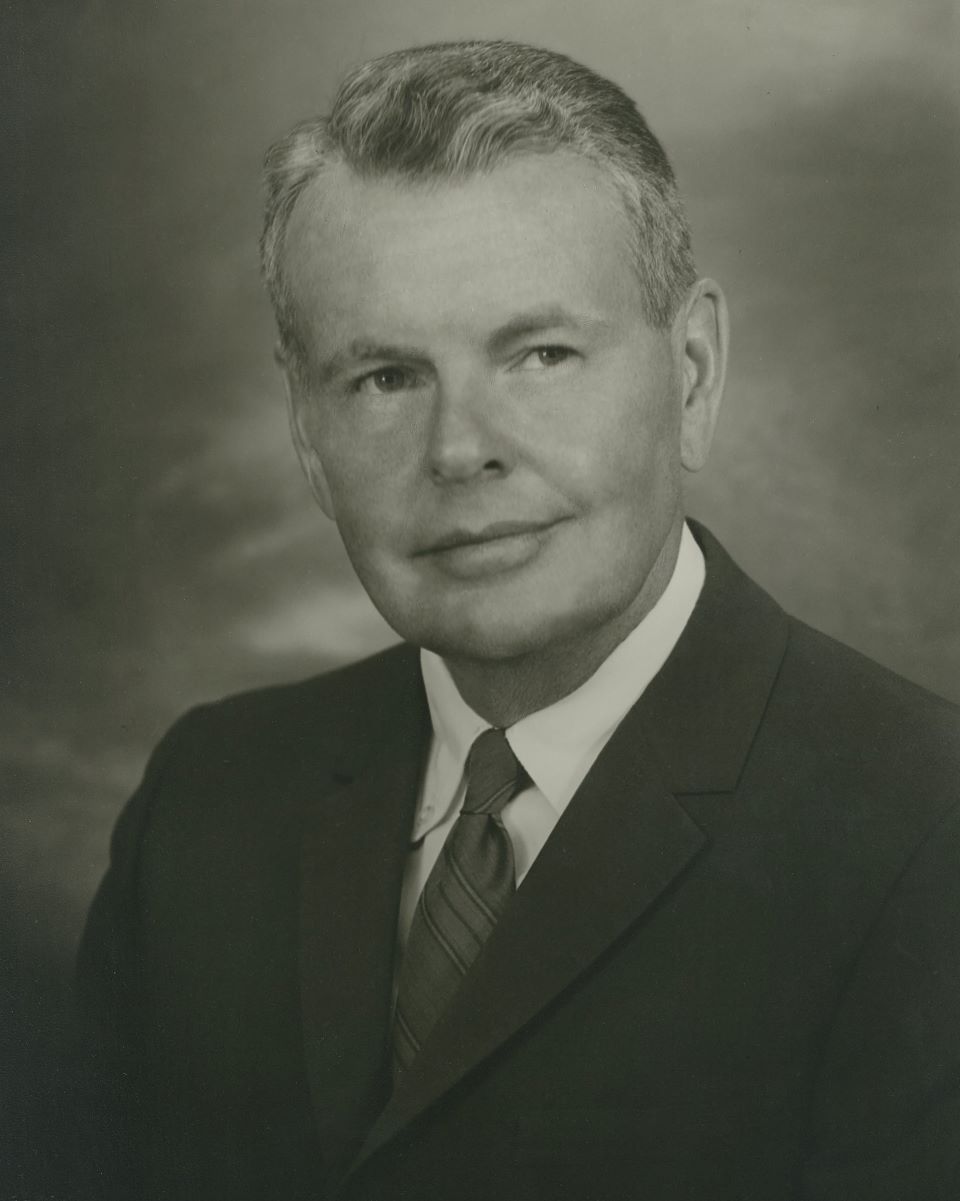
The grandson of a Manitoba settler, Edward Robert McGill, was born in Vancouver on September 21, 1912. The family moved back to Brandon when he was seven. Educated in Brandon, he attended Brandon College for one year prior to enrolling at Queen's University and graduating with a Bachelor of Commerce degree in 1934.
After graduation, Ed was employed by the International Nickel Company of Canada in Copper Cliff, Ontario. In July 1940, he enlisted in the Royal Canadian Air Force and trained as a pilot at Regina, Hamilton, and Saskatoon. He was awarded his Pilot's Badge on February 22, 1941, and his Flying Instructor's Category in May 1941. He was then posted to Saskatoon as Flying Instructor and promoted to Deputy Flight Commander. He met Eve Shaw in Saskatoon and married on May 30, 1942.
In April of 1943, Ed was posted to England, where he trained as a fighter Pilot. He was posted to 418 (City of Edmonton) Squadron as a Night Intruder Pilot flying De Havilland Mosquitos. He was promoted to Flight Commander with the rank of Squadron Leader. He completed his overseas tour in August 1944 after flying a total of 37 Night Intruder and Daylight Ranger Operations over France and Germany. Posted back to Greenwood, Nova Scotia, as Chief Ground Instructor, he requested a transfer to the R.C.A.F. Reserve in January 1945 and returned to Inco as Veterans' Personnel Officer.
On June 15, 1946, he received a letter offering him the position of Secretary Manager and Chief Flying Instructor of the newly formed Brandon Flying Club. He began work in July of that year with a fleet of five Tiger Moths purchased from Crown Assets Corporation, and in September, the first class of 10 air cadets graduated. In 1952 he assumed the additional responsibility of Airport Manager. Ed, along with partners, formed Brandon Air Services on November 19, 1946 (later renamed Maple Leaf Aviation). He was President and General Manager until Jim Wall was promoted to General Manager in 1956.
Ed helped organize satellite flying training schools in Virden, Dauphin, Neepawa and Souris. He also helped organize the Flying Farmers in Manitoba. In 1968, after many years of lobbying Transport Canada, Brandon Air Radio was upgraded to a full control tower, and a new terminal building was built. Commercial air service became a reality in Brandon when Transair agreed to provide twice-daily service.
In 1969 Ed resigned from the Brandon Flying Club to enter politics. Shortly after that, he sold Maple Leaf Aviation to Jim Wall, who had been General Manager since 1956. On December 31, 1970, Brandon Municipal Airport was renamed McGill Field to recognize Ed McGill's "outstanding contribution to Canadian aviation."
Elected to the Manitoba Legislature as the member for Brandon West Constituency in 1969, Ed McGill served three terms and held several cabinet posts as a Conservative Cabinet Minister. He retired in 1981 and, in 1986, was appointed by the federal government to the Civil Aviation Tribunal.
Other community services included being Chairman of the Brandon School Board, Chairman of the Brandon Hospital Board, member of the Brandon Police Commission, President of the Brandon Golf and Country Club, and President of the Wasagaming Golf Course.
Ed McGill passed away in Brandon at age 84 on December 3, 1996.
James Douglas Wall
(1933 - 2011)
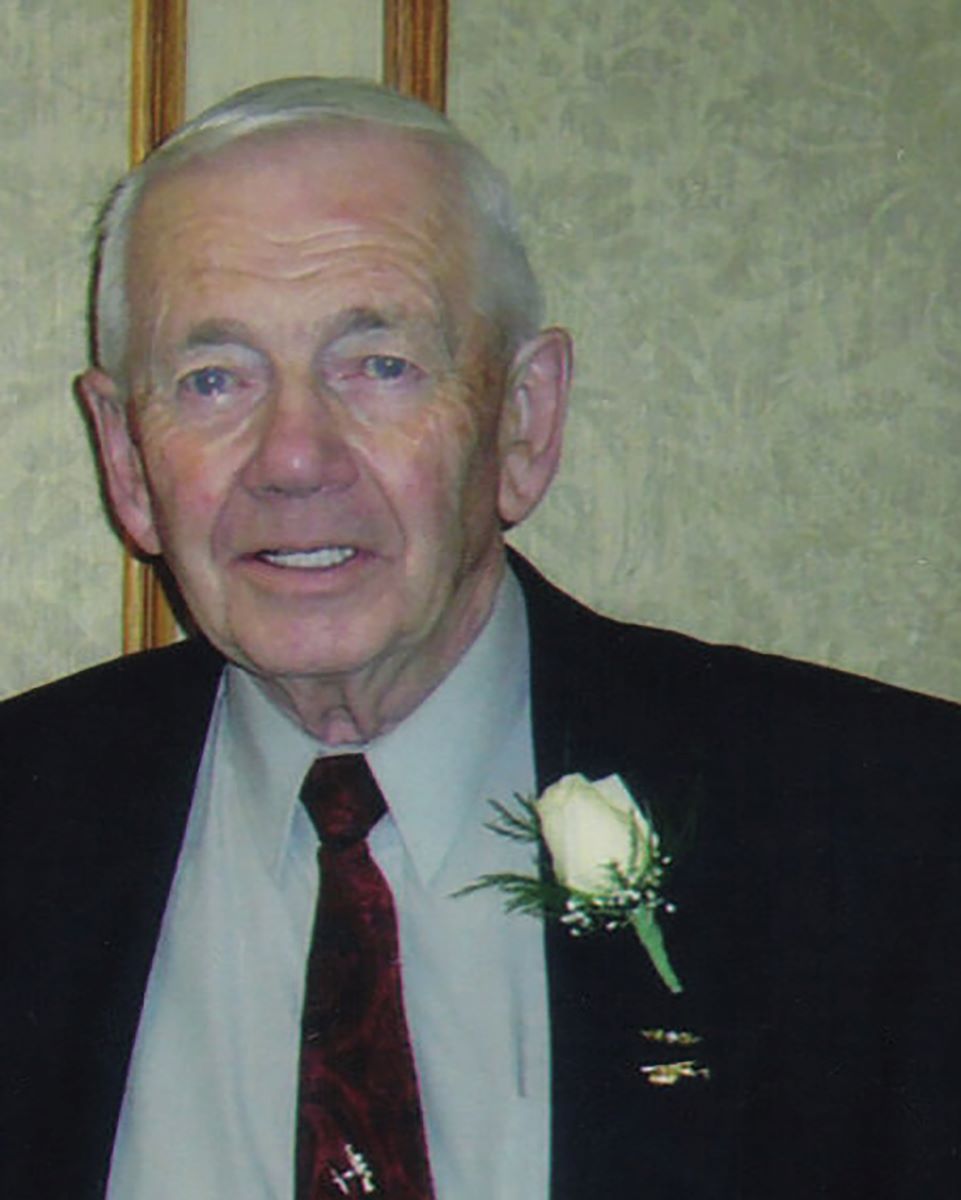
Jim Wall was born in Brandon, Manitoba, on March 22, 1933. He spent his entire life in Brandon, graduating from high school in 1951. In 1950 Jim earned his Private Pilot's licence at the Brandon Flying Club as an Air Cadet with the 82nd Squadron. He accomplished this in a short 30 days and 25 hours of flying time! In 1951 he earned an Air Cadet International Exchange trip to England, Scotland and Wales. He worked at the airport as a lineman, hangar attendant, aircraft washer and mechanic's helper. He built flying hours (at a cost of $8.00 per hour) by barnstorming with other pilots on weekends, ferrying aircraft and taking people for rides. Jim moved up the ladder of success and was soon employed as a full-time Apprentice Maintenance Engineer earning a wage of 25 cents per hour.
In 1954 Jim tested for a Commercial Pilot's licence. He scored remarkably high on his tests and was selected as a finalist for Western Canada for the Webster Trophy. Jim missed winning by only one-tenth of a point! The Webster Trophy is awarded annually to the top amateur pilot in Canada. The commercial licence would be used to fly charter, survey work, and test flying throughout his career. He continued the path to obtaining his Aircraft Maintenance Engineer's licence and received his licence # WGM348 in 1956. By this time, he had moved from the Brandon Flying Club to Maple Leaf Aviation Limited. Maple Leaf was a Cessna dealership located here at Brandon Airport. In 1971 Jim and his wife Beth purchased Maple Leaf Aviation from Ed McGill and partners. In 1974 Maple Leaf Aviation was one of only nine Cessna dealers in the World at the time that was awarded a 25-year continuous Service Award to the Aviation Industry. After 33 years as a Cessna dealer and with no new Cessna-manufactured aircraft to sell, Jim redirected Maple Leaf and concentrated on Aircraft Maintenance as an AMO, Manufacturing fibreglass parts and continued with Flight Training, Charter and Patrol work. Taking advantage of advances in composite structure technology, Maple Leaf entered a program called Aircraft Speed Mods with associate Roy Sobchuk and became a Canadian manufacturer of fibreglass aircraft products sold all over the world. As of 2007, the design and production group hold many Canadian and American Supplementary Type Certificates for the production and distribution of fibreglass products.
Jim's family would be heavily involved in the business and his world. Beth was involved with the office management during the late 1950s, 1960s and 1970s. In 1977 son Dave came on board full-time as a commercial pilot, earned his Aircraft Maintenance Engineer licence and eventually assumed the company's day-to-day operation. Before Jim's passing in 2011, Granddaughter Brittany worked two years of summers in the shop with grandpa, and she earned her private pilot licence. Jim's grandson Grant would be at his grandfather's side by 2006, assisting grandpa in hanger tasks and came on board full-time in 2012. Grant has followed the path and is now an AME with the company and holds a private pilot licence. Also, in 2012 Jim's daughter-in-law Karen came on board as an office assistant. Jim never envisioned the company as a family business, but he certainly would have enjoyed such!
In 2000 Transport Canada appointed Jim as a Minister's Delegate- Maintenance. This authorized him to issue the Certificate of Airworthiness upon the importation of an aircraft into Canada following inspection and required maintenance.
The U.S. Fish and Wildlife Service honoured Jim with a certificate for his 50 years of service for the quality maintenance work that he had provided.
In March 2006, at the Central Aircraft Maintenance Engineer Symposium, the Association presented Jim with the prestigious NAASCO Outstanding AME Award, awarded annually to an AME that has shown outstanding achievement in aviation maintenance. He was immensely proud of this achievement!
Jim worked over 60 years full time, and every one of those days were tied to McGill Field at the Brandon Airport. He genuinely loved aviation and the airport!
Ruby MacDonald
(1918 - 2004)

Ruby MacDonald was born in Limerick, Saskatchewan in 1918. She was a survivor of the deadly 1918 Flu pandemic which left her with chronic obstructive pulmonary disease. Ruby never considered her respiratory condition a handicap and was forever positive. The family moved to Moose Jaw where she graduated from Moose Jaw Central Collegiate with awards in English and History in 1937.
Ruby met the love of her life, Jim (EA) MacDonald, at Central Collegiate and they were married in 1940. Jim was a Chemical Engineer and enlisted with the Royal Canadian Air Force in 1940. He rose to the rank of Flight Lieutenant, teaching Canadian and foreign pilots to fly in the British Commonwealth Air Training Program. The young couple was stationed at various Prairie airfields during the war and Ruby gave birth to two beautiful daughters, Lynne and Carol, during that time. Son, Jim Jr. was born later in Brandon.
A job transfer brought the family to Brandon in 1947 with Jim the Regional Manager for Texaco Oil, and later the Owner of Canadian Motors Ford Limited. Jim flew with the Brandon Flying Club and Ruby became interested in flying as she spent many hours in the air with Jim.
Ruby and four friends, Georgia Kraeling, Kaye Sykes, Dorothy Rosenman, and Mrs. Les Mitchell obtained their Pilots Licenses at the Brandon Flying Club in 1960. They soon recruited other female friends to obtain their licenses. Ruby went on to become the first woman at the Brandon Flying Club to achieve her multi-engine rating allowing her to pilot the twin engine Cessna 310. As a group, the Female members of The Brandon Flying Club began to attend many Provincial, National and International Fly-ins.
The International Organization of Women Flyers, known as the Ninety-Nine or 99’s was reactivated in Canada in 1967. Ruby was elected Vice-Governor for Canada. Along with other Canadian Representatives, she met with Prime Minister Lester B. Pearson to discuss Women in Aviation during World Travel Week that year. Ruby became the Governor of Canada for the 99’s in 1968. The Brandon Flying Club Female Pilots, the 99’s, received their Charter in 1968.
With Ruby as Governor, the Canadian Section of the 99’s held their National Fly-In at the Brandon Flying Club and their National Meeting at The Canadian Inn in Brandon in 1969. She also organized an International 99’s Fly-In and meeting at Jasper Park Lodge, Alberta. During her time with the Brandon Flying Club 99’s, she was involved with the organization and hospitality for various Fly-Ins as well as recruiting and promotion of Female aviation.
Ruby and her 99 Chapter were instrumental in promoting and securing the Canadian Forces jet that sits prominently on Highway 10 at the entrance to the Airport.
Ruby continued to fly with Jim until they sold their Cessna 310 in the 1990’s. The couple logged many hours travelling with friends and family across Canada, the US, Mexico, the Caribbean and South America.
Other Community Service included being President of the local IODE (Imperial Order of Daughters of the Empire) and President of the IODE Manitoba Section. She also volunteered her time at the Brandon Mental Hospital. Ruby was an ardent sport fan. She golfed and tap danced (accompanied by her oxygen tank) into her eighties.
Ruby passed away in Brandon at age 86 in 2004.
Albert Cecil Evadne Leech
(1906 - 1989)
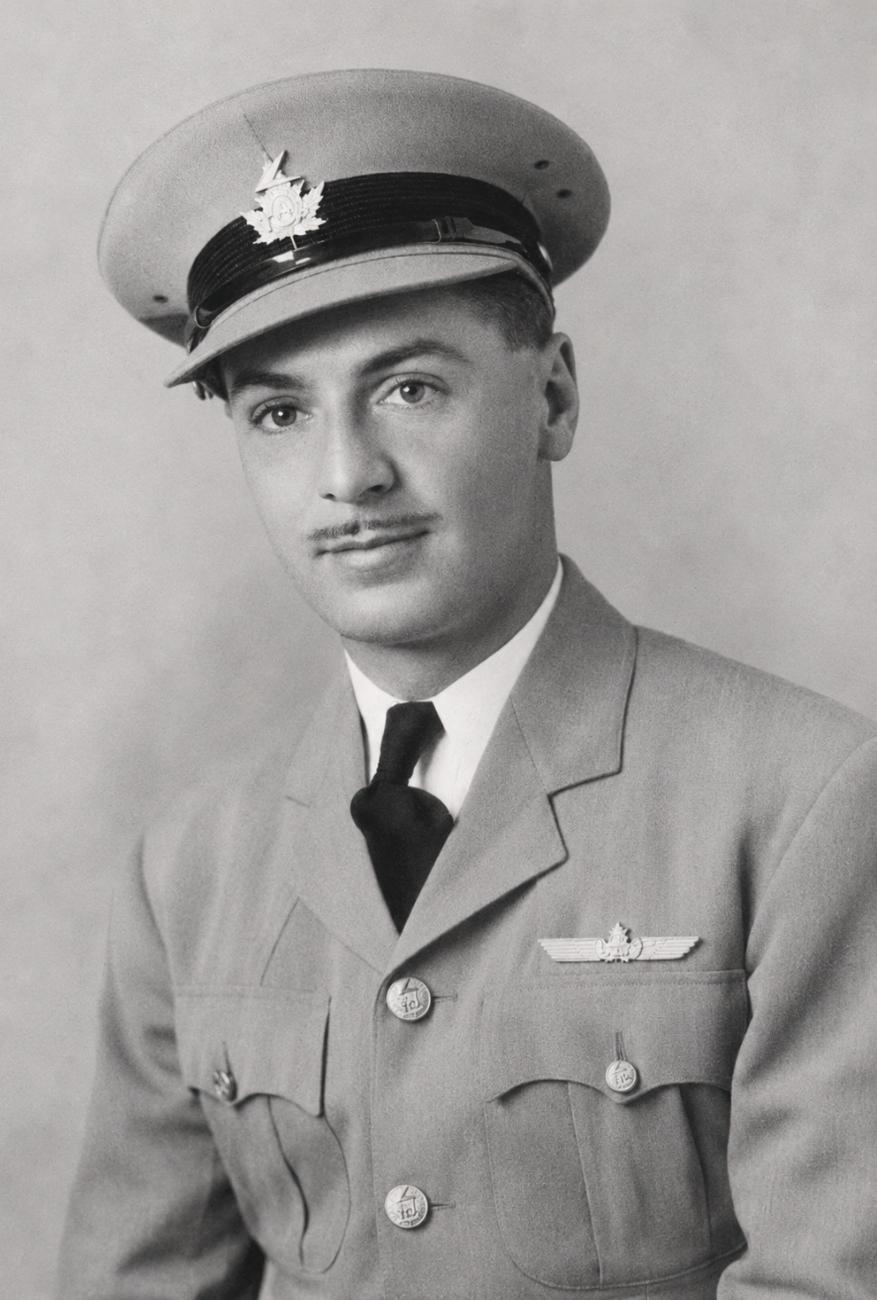
Albert Cecil Evadne Leech was born on February 11, 1906, in Elton, Manitoba, at a time when powered flight was still a daring novelty. Growing up on the Canadian Prairies, he came of age alongside aviation itself, developing a fascination with flying during an era when pilots were pioneers and aircraft represented both risk and possibility.
Cecil’s aviation career began in 1928 at the Brandon Aerodrome. With no formal instruction available, he taught himself to fly—an extraordinary achievement for the time. His first aircraft was a Sopwith Camel, a First World War fighter known for its performance and difficulty. Through determination and natural aptitude, Cecil mastered the aircraft, and in 1931 he earned his private pilot’s license on the same Camel, becoming one of western Canada’s early licensed civilian aviators.
By the mid-1930s, the Brandon Aerodrome faced serious financial hardship. Recognizing aviation’s importance to the region, Cecil took it upon himself to restructure its operations. He drafted bylaws and helped establish an organization dedicated to promoting aviation. On June 29, 1936, the Brandon Flying Club was officially formed. Under his leadership, it became a focal point for pilot training and aviation development in southwestern Manitoba—a role it continues to fulfill today.
Cecil was not only an organizer but also an instructor and mentor. In 1935, he was appointed Instructor Manager of the club. Holding both civilian and Royal Canadian Air Force instructor ratings, he was well positioned to train pilots to both military and civilian standards. Demonstrating personal commitment, he purchased a de Havilland Gipsy Moth (CF-CDW) and leased it back to the club for $7 per flight hour until the Department of National Defence could supply aircraft.
As international tensions rose in the late 1930s, Cecil was named the first Chief Flight Instructor in Brandon for Manitoba’s first Provisional Pilots Group, established before the British Commonwealth Air Training Plan. Among those trained under his leadership was R. E. Morrow of Toronto, who later became a war hero and helped develop the “Hurri-Bomber” concept, adapting Hurricane fighters for ground-attack roles.
During the Second World War, Cecil entered full service with the RCAF. He held the rank of Temporary Flight Lieutenant (C14933) and, on October 6, 1942, was commissioned in the Special Reserve as a Staff Pilot. Stationed at Rockcliffe, Ontario, he served as Second-in-Command of No. 112 Squadron, where his experience proved invaluable.
Cecil was entrusted with responsibilities of exceptional importance. During the First Quebec Conference in 1943—a critical Allied meeting involving Prime Minister William Lyon Mackenzie King, Winston Churchill, and Franklin D. Roosevelt—he oversaw flight operations transporting senior political and military leaders. Among those under his supervision were Air Chief Marshal Lloyd “Les” Breadner, Mary Churchill, and figures such as Lord Louis Mountbatten, Sir John Portal, and Prince Bernhard of the Netherlands. The trust placed in him reflected his professionalism and standing within the RCAF.
Following the war, Cecil transitioned into commercial aviation, helping shape Canada’s growing air transport network. He flew for Quebec Airways, piloting the inaugural airmail and passenger service between Montreal and Quebec City. He later joined Trans-Canada Airlines—now Air Canada—flying routes across the country in one of the “Three Sisters” aircraft: TCA, TCB, and TCC. He also served as an RCAF instructor in transport flying techniques, passing on his experience to a new generation of pilots.
After nearly twenty years in aviation, Cecil stepped away from flying. His career spanned pioneering civilian flight, wartime service, instruction, and commercial operations. He returned to the Brandon printing business he had founded in 1927, dedicating his later years to building that enterprise within the community he had long served.
Albert Cecil Evadne Leech passed away in 1989 at age 83. His legacy endures through the Brandon Flying Club, the many pilots he trained, and his contributions to Canadian aviation. He was not merely a pilot, but a builder of aviation in Canada, remembered for his vision, leadership, and unwavering commitment.
Leonard Fisher
(1920 - 2016)
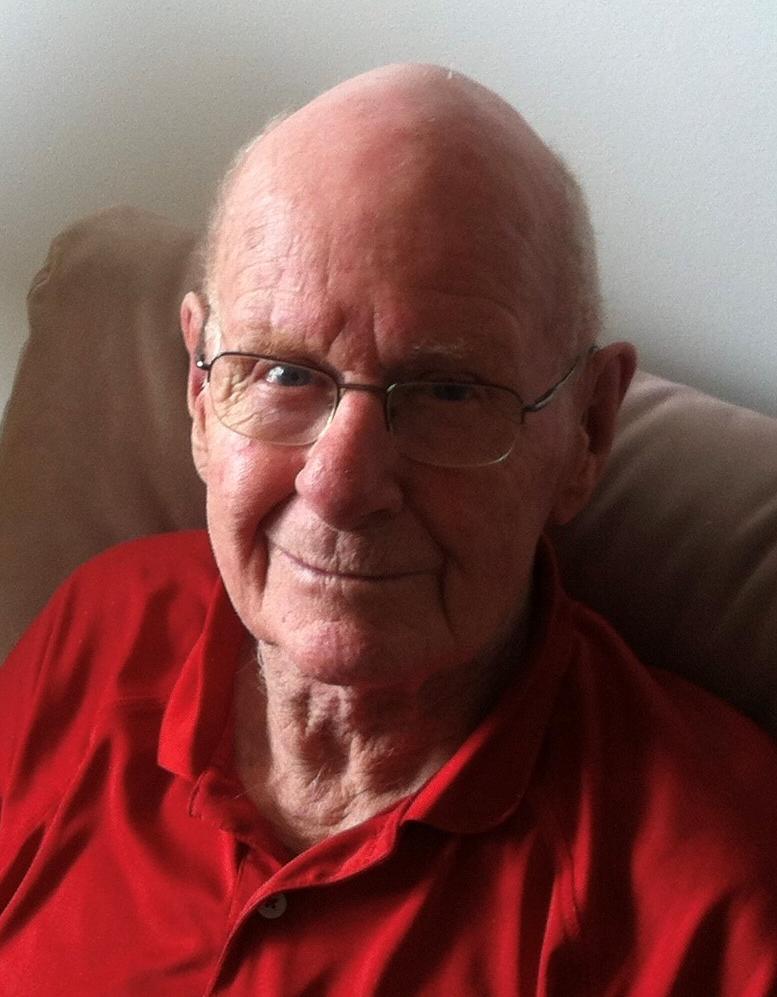
Leonard Fisher was born in Winnipeg, Manitoba in 1920. Len had a lifelong passion for aviation, which began at the age of 11, when he discovered model aircraft and soon became a recognized competitor. In 1933, after years of practice, he became the Manitoba Modelling Champion, later winning multiple national awards at the Canadian National Exhibition in Toronto, where he was named the Canadian Junior Modelling Champion. It was here that he experienced his first flight in a Waco Biplane called “Miss Sweet Caparol,” which made a lasting impression and further ignited his lifelong dedication to aviation.
The Second World War became the springboard to his lifelong calling. He enlisted in the Royal Canadian Air Force in 1940, and after 8 hours of flight training, he did his first solo flight. By 1943, he had qualified as a Certified Flight Instructor. In September 1945, he was honourably discharged with the rank of Flight Lieutenant and 1,763 flight hours logged.
Following the war, he transitioned into civilian aviation, joining KLM Royal Dutch Airways as an international airline pilot, where he and his wife, Millie, travelled the world. After serving as first officer for 4 months, he became an inland captain in 1947. He flew long-haul routes across Asia, Europe, and Africa, including a 14-hour, 55-minute flight from Batavia to Mauritius. His longest trip away was from December 1948 to February 1949 as he flew from Batavia to Shanghai. This delay was due to the civil war that broke out in Indonesia where they denied KLM a refueling stop.
Back in Canada, he came to Brandon to work for Brandon Air Service where he flew charter for Ed McGill and partners. His first students at Brandon Air Service were Air Cadets, and his last student there was Jim Wall who became a coworker and lifelong friend.
Through Len’s career as a long-serving instructor, Chief Flying Instructor, and later Manager of the Brandon Flying Club, and eventually a Designated Flight Test Examiner with Transport Canada, he guided and certified countless Canadian pilots. In his 80s as he looked to retire, Transport Canada asked him to stay longer. Even in semi-retirement, he continued to shape aviation as Chief Flying Instructor at Maple Leaf Aviation.
Throughout his career, he survived three serious flying mishaps: a mechanical failure during the war resulting in a crash landing; a devastating crop-dusting accident in 1953 (3 days after his daughter Gerri was born) when his plane struck a telephone line in the setting sun, leaving him hospitalized at Winnipeg General for a year and with a permanent impairment to his stride; and a frozen fuel line that forced an emergency landing in a snow-covered field. These experiences underscored his remarkable resilience and passion for aviation, returning to the skies as soon as possible after each mishap. In 1954/55 he and Ed McGill took turns doing television weather for CKX where Len used his cane to point to the weather map.
Those who knew him admired not only his skill and passion, but also his sense of humor. He also possessed an amazing attention to detail, and logged every hour, every flight test, and even every kilometre he put on every car he ever owned.
From his beginnings as a model aircraft champion, through his RCAF service and international airline career, to decades as a respected instructor and mentor, Len built a remarkable 62-year aviation career with over 24,000 hours of flight time. He left an ineffaceable mark on Canadian aviation.
Roy Sobchuk
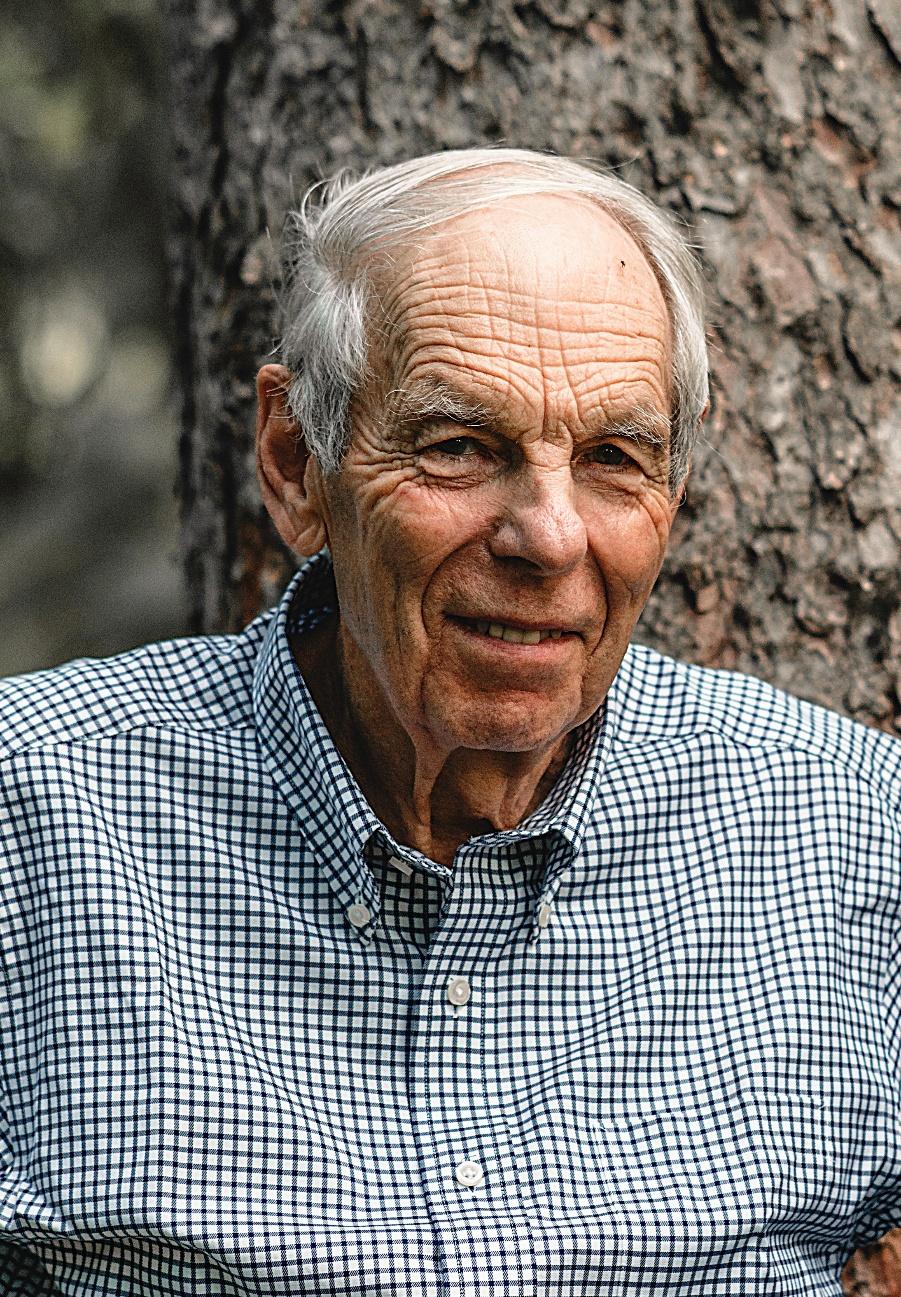
Roy Sobchuk was born in June 1940 to Julius and Olga as an only child. From an early age, he spent his time alongside his father at North West Motors, a Pontiac dealership in Winnipeg. Starting with sweeping floors, Roy quickly proved eager and capable, progressing to fetching parts, completing odd jobs, and eventually taking on more complex mechanical work. These early experiences fostered his strong work ethic and mechanical aptitude.
Despite his grounding in the automotive world, Roy’s true passion was aviation. As a young boy, he and his friend Eddie Derkatch regularly visited the Winnipeg airport. Over time, Roy became a fixture at Graffo’s Flying Service, beginning with basic tasks like sweeping and cleaning the hangar. Under Charlie Graffo’s mentorship, he advanced to repairing aircraft and rib-stitching fabric. Roy eventually painted Charlie’s fleet of Ercoupe aircraft, often using distinct colours for easy identification in the days before widespread aircraft radios. In return, he earned flight time, helping him pursue his dream of flying.
At the same time, Roy and Eddie undertook an ambitious project at the Derkatch farm at Inkster and Keewatin in Winnipeg: rebuilding and recovering an airplane. Roy applied his developing skills in fabric covering, rib stitching, painting, and doping to restore it to airworthy condition—an impressive accomplishment for such a young teenager.
Roy earned his pilot’s license at just 17. Although he later secured an opportunity as a co-pilot with Trans-Canada Airlines, his mother discouraged him from pursuing an aviation career at that time. Still, his love for flying never waned.
Soon after, Roy married Phyliss, the love of his life, and together they raised four children. As his family grew, so did his aircraft. He owned many airplanes over the years including an Aeronca Champ and Stinson 105 which he rebuilt, a Piper Tri-Pacer, Cessna 172 and eventually owned two Cessna 177 Cardinals. Ever innovative, Roy modified these four-seat aircraft to accommodate six passengers through approved changes—marking the beginning of his lifelong pursuit of aircraft efficiency.
Roy was always driven to improve performance. Whether reducing drag or increasing horsepower, he constantly sought ways to gain speed and efficiency. In 1980, he partnered with Jim and Dave Wall, launching the “Fancy Pants” aircraft modifications. Together, they designed, approved, and manufactured improvements for Cessna single-engine aircraft. Their collaboration resulted in 27 Transport Canada and FAA certified approvals. Many of Roy’s ideas also influenced innovations adopted by other manufacturers.
Beyond aviation, Roy dedicated himself to education. He moved to Brandon to teach in the automotive program at Assiniboine College and eventually became Director of Technical Trades programs. He also ran a successful consulting business, focusing on efficiency modifications for long-haul trucking and supporting the insurance industry with vehicle claims—often turning challenges into innovative solutions.
Roy has been a lifelong member of the Brandon Flying Club, serving as a director from the 1970s through 2000. He was always ready to help—organizing events, assisting with repairs, supporting fundraisers, or helping stranded pilots. A founding member of the Brandon chapter of the Civil Air Search and Rescue Association, he actively contributed to rescue efforts. He also supported aviation through lifelong memberships in the Canadian Owners and Pilots Association and the Experimental Aircraft Association. For many, Roy was the person who provided their first airplane ride.
Deeply rooted in his Catholic faith, Roy’s life has always been cantered on family, flying, faith, and friendship. Known for his generosity and practical wisdom, he is always willing to lend a hand, offer advice, or share a teachable moment. His ingenuity, kindness, and dedication have made him a respected builder, leader, and true lifetime achiever.